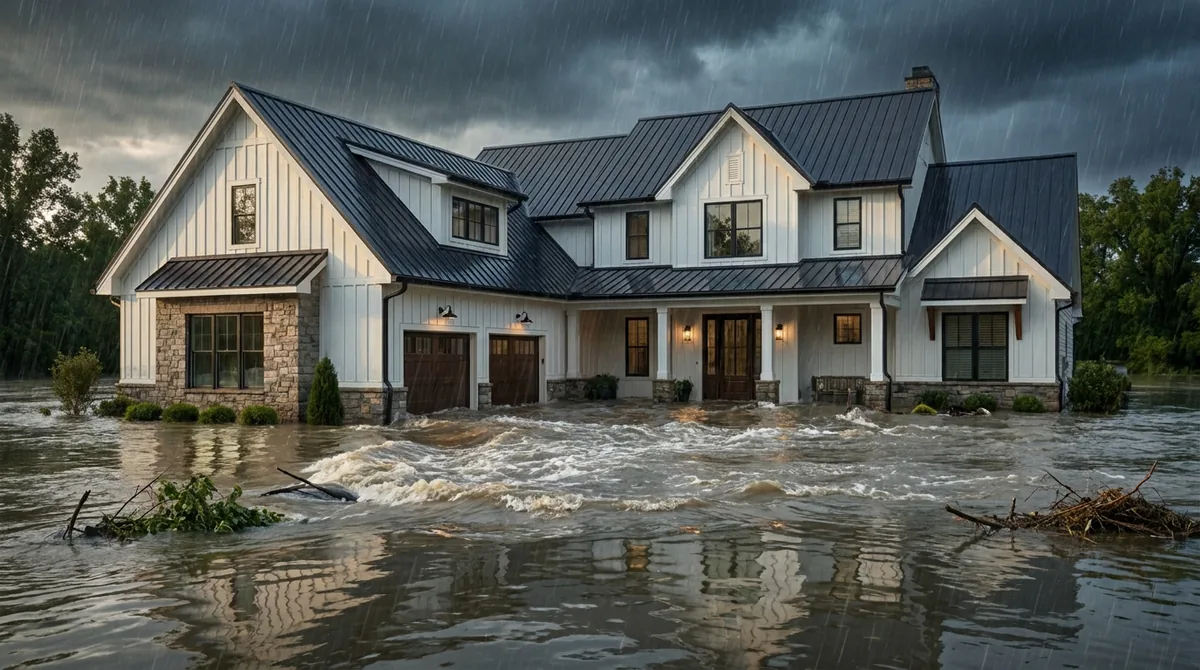
NFIP vs. Private Flood Insurance in Texas
NFIP caps at $250K dwelling and $100K contents; private flood can go higher, faster, and sometimes cheaper. An honest side-by-side, and who genuinely belongs on each.
Flood zones, TWIA, wind deductibles, 30/60/25, old roofs, umbrella policies. Guides to the questions Gulf Coast families actually ask — written by the independent team that shops the carriers for you.
This blog covers Texas insurance the way we explain it across the kitchen table: home and property guides on wind and hail deductibles, old roofs, and non-renewals; flood and windstorm guides on the NFIP, private flood, TWIA, and flood zones; auto guides on the 30/60/25 minimum, at-fault liability, and uninsured motorist coverage; plus umbrella policies, storm-claim playbooks, and local guides for Friendswood, the Houston Bay Area, and the Texas Gulf Coast. Every guide is educational and jargon-free, and because Watson Insurance is an independent agency, the comparison guides come from carriers we actually quote. When you're ready for numbers instead of reading, we shop it all for free at (832) 703-1289.
No guides match that search yet. Try a different word, or request the topic and we'll put it on the calendar.
Texas homeowners have been through it: hail seasons, rising renewals, roofs switched to actual cash value, and wind that needs its own deductible. These guides explain what your policy really covers, what it quietly doesn't, and the moves that keep good coverage on your house.
Everything in one place: what an HO-3 covers and excludes, setting dwelling limits at rebuild cost instead of market value, the flood exclusion, wind deductibles, and keeping good coverage in a hard Texas market.
HomeHail losses, rebuild inflation, reinsurance costs, and a coastal market under strain. What's actually driving your renewal — and the moves that push back on it.
HomeReal 2026 sample quotes by home profile — age, roof, ZIP, and coverage level — at identical limits, with our full methodology disclosed. Not one number pretending to be an average.
HomeWe shop multiple carriers for a living, so we ran the comparison properly: same home, same limits, same deductibles across the market. Who actually comes in cheapest, and when cheap costs you.
HomePrice, claims service, financial strength, and how each carrier handles Texas roofs and wind. Our honest read on the market we quote every day — including who wins for which kind of home.
HomeHow to compare quotes without getting burned: match the limits first, check the wind and roof fine print second, and only then look at price. The checklist we use at our own desk.
HomeTwo carriers we can quote side by side, on the same Texas home at identical limits. Where each one tends to win, and the policy differences that matter more than the premium gap.
HomeMore Texas policies are quietly switching roofs to actual cash value — meaning depreciation comes out of your claim check. How to spot the schedule, and what full replacement cost is worth.
HomeThat 1% or 2% wind/hail deductible isn't 1% of the claim — it's a percentage of your dwelling limit. What that means in real dollars, and how coastal territory changes the math.
HomeWater that backs up through a drain isn't flood — and it isn't automatically covered either. The inexpensive endorsement that handles one of the Houston area's most common water claims.
HomeA 15-year-old roof can shrink your carrier options fast. Which markets still write older roofs, what ACV schedules do to your claim, and when a replacement actually pays for itself in premium.
HomeTexas insurers owe you 60 days' written notice before a non-renewal — then the clock starts. Your options, the questions to ask, and how an independent agency re-markets a dropped home.
HomeTexas insurers must give 60 days' written notice before non-renewing a home policy. Your rights, the claims rule, and what to do before coverage ends.
HomeFrom the bayous to the beach: how coastal territory, wind deductibles, flood zones, and roof age shape home insurance across Greater Houston and the Gulf Coast — and how we shop it.
HomeFast-growing subdivisions, drainage that gets tested every spring, and Brazoria County pricing. What Pearland homeowners should look for, and how we quote it across carriers.
HomeBig city, big spread in premiums. How bayou flood zones, roof age, and the 2026 FEMA remap shape Houston home quotes — and why identical houses two ZIP codes apart price so differently.
HomeClose to the water, close to the wind-territory line. What Clear Lake area homeowners need to know about wind coverage, flood layers, and shopping carriers near the coast.
HomeFirst-tier coastal county: TWIA territory, percentage wind deductibles, and flood as its own layer. How League City to the island prices, and how we build the full coastal stack.
HomeOur home turf. Clear Creek flood history, established-neighborhood roofs, and the carriers that price Friendswood well — quoted from the office two minutes away on Parkside Drive.
HomeOne of Texas's fastest-growing cities sits in a coastal county — which changes the insurance math. Wind territory, flood layers, new-construction discounts, and who prices it best.
Every standard Texas home policy excludes flood — and in designated coastal territory, wind is often written separately too. NFIP, private flood, TWIA, WPI-8 certificates, and the zones: this is the pillar we most wish every Gulf Coast household would read before June.
The guide every Texas homeowner needs before the next storm: what NFIP covers and caps, where private flood beats it, the 30-day wait, and why your home policy covers exactly none of this.
FloodWhat flood coverage actually costs by zone and elevation under Risk Rating 2.0, why some X-zone policies are surprisingly cheap, and the levers that move your premium.
NFIP caps at $250K dwelling and $100K contents; private flood can go higher, faster, and sometimes cheaper. An honest side-by-side, and who genuinely belongs on each.
In designated coastal territory, wind is often its own policy. How TWIA works (wind and hail only), what a WPI-8 certificate is, and when private wind beats the pool.
FloodA, AE, V, and the deceptively named Zone X — what each zone means for requirements and price, and why 'not in a flood zone' is a sentence that floods a lot of Texas living rooms.
FloodAround 56 percent of Harris County flood claims come from outside mapped high-risk zones. The case for cheap X-zone coverage, told through the storms this area actually remembers.
Re-roofing or renovating on the coast? Without a WPI-8 certificate, the new work may not be insurable through TWIA. What inspectors check, when you need one, and how not to get caught out.
After a hurricane, the biggest fight is often which policy pays: wind or flood. How adjusters draw the line, why it matters to your deductible, and how to document both from day one.
FloodBayou city, by the numbers: FEMA claims by storm, why most Houston flooding happens outside the high-risk map, the draft Harris County maps, and how to buy before they change.
The full coastal stack for the Bay Area, Brazoria, and Galveston counties: flood layer, wind layer, and the home policy in between — and how the three claims get untangled after a storm.
Pearland drains slowly and builds quickly. Which parts of town carry mapped risk, what X-zone coverage costs here, and why newer slabs still flood.
FloodClear Creek has flooded this town before, and most of the homes it reached weren't in a high-risk zone. What Friendswood flood coverage costs, and why we carry it ourselves.
FloodBetween Clear Creek and Dickinson Bayou, League City knows water. Flood zones by neighborhood, what coverage costs, and the 30-day wait that punishes procrastination.
FloodOn the island, flood isn't a maybe. V zones, surge, elevation certificates, and how NFIP and private flood price a Galveston address — plus the wind layer that stacks on top.
Texas requires 30/60/25, and in an at-fault state where nationally about one in seven drivers is uninsured, that's a floor — not a plan. These guides cover liability that fits your assets, UM/UIM and PIP, and the comprehensive coverage that hail country makes essential.
The complete stack: what 30/60/25 actually buys, why at-fault Texas makes liability limits the number that matters, UM/UIM and PIP, and comprehensive for a state that leads the nation in hail.
AutoThirty, sixty, twenty-five — in real dollars, that runs out in one serious accident. What the minimum covers, what it leaves exposed, and how limits should track your assets.
AutoWe quote these carriers against each other every day. Who's strong for clean records, who forgives a ticket, who handles hail claims well — an agency's-eye view of the 2026 market.
AutoComparing quotes only works when the quotes match. The five numbers to hold constant, the coverages people accidentally drop to 'win' on price, and how our five-minute quote shops it for you.
Auto2026 sample rates by driver profile — age, record, vehicle, ZIP — at identical limits, methodology disclosed. What people like you actually pay, not a marketing average.
AutoCheapest is a moving target that depends on your profile. We ran identical-limit quotes across our carriers to show who wins where — and the corners never worth cutting to get there.
AutoThe savings levers that actually work in Texas — re-shopping at renewal, bundling, deductibles, discounts you already qualify for — without stripping the coverage that protects you.
AutoRe-shop at renewal, ask for every discount you qualify for, and set deductibles on purpose — without cutting the UM/UIM, PIP or liability coverage that protects you.
Two carriers on our shelf, quoted head to head on the same Texas drivers. Where each wins by profile, and the coverage differences underneath the price.
Two of the biggest names in Texas auto, compared at identical limits across real driver profiles. Pricing patterns, claims reputations, and who tends to win for whom.
AutoA direct-selling giant against a carrier with a long add-on menu and several ways to buy. TDI market share, AM Best ratings, complaint data and the Safeco change.
AutoTexas's largest auto group against a much smaller one. Market share, AM Best ratings, complaint data, accident forgiveness, Snapshot vs. RightTrack and new car coverage.
AutoThe premium jump is real but manageable. When to add them, good-student and driver-training discounts, which car to assign them to, and why this is the moment to talk umbrella.
Nationally, about one in seven drivers has no insurance at all — and even more are underinsured. What UM/UIM does after a hit-and-run or an uninsured at-fault driver, and why removing it requires a written rejection.
In Texas the at-fault driver's policy pays, and the 51 percent bar decides who can recover. What that means after a wreck, and why your liability limits matter more than your deductible.
Your Texas policy stops at the border — Mexican authorities require Mexican liability coverage. What a tourist auto policy covers, where to get one, and what to carry in the glovebox.
Rates change shape after 65 — sometimes in your favor. The discounts and defensive-driving credits that apply, and the carriers that price experienced Texas drivers best.
One at-fault accident doesn't have to wreck your premium for years. How surcharges work, when accident forgiveness applies, and how re-shopping across carriers softens the landing.
AutoWhat one ticket really does to a Texas premium: the law that bars most ticket surcharges, the county mutual exception, defensive-driving dismissal, and deferral.
SR-22s, DWIs, multiple violations — there's still a market for you, and it's not just one overpriced option. How high-risk coverage works in Texas and the path back to standard rates.
A lapse makes every carrier's price go up — but some far less than others. How to restart coverage the smart way, what TexasSure knows, and how to keep it from happening again.
I-45 commutes, hail seasons, and streets that flood: driving here has its own risk profile. How Houston-area rates work, and why comprehensive coverage does heavy lifting on the Gulf Coast.
Auto288 commutes and growing traffic counts shape Pearland's rates. What drivers here pay, the discounts that apply, and how we shop it across carriers from up the road.
AutoBig-city rates with a coastal twist: dense traffic, uninsured drivers, hail, and streets that flood. How Houston premiums are built, and where the savings genuinely hide.
AutoClear Lake isn't a city, and your insurer rates the address, not the name. Commutes, TxDOT crash data, boat trailers, hail and theft, and how we compare carriers.
AutoIsland versus mainland driving, the causeway and the Bolivar ferry, golf cart rules and TxDOT crash data. What Galveston County drivers should carry, and how we compare.
AutoQuoted from right here in town: what Friendswood drivers actually pay, the FM 518 and I-45 commute factors, and the carrier lineup we shop for our neighbors.
AutoA fast-growing city on the Gulf Freeway corridor. How League City rates compare to the county, what moves them, and the discounts new arrivals keep missing.
Tell us about your home and cars, and we'll shop them across our carriers — Geico, Progressive, Liberty Mutual, Safeco, and the coastal wind and flood markets — and show you the side-by-side. About 15 minutes, no pressure, plain English.
When a serious accident exceeds your auto or home liability limits, your savings and future earnings are next in line. An umbrella policy adds a million dollars or more on top — and for most Texas households it costs less than they expect.
A million dollars of extra liability that sits on top of your home and auto policies — usually for less than a tank of gas a month. How umbrella policies work in an at-fault state.
Typical Texas umbrella pricing by household, what pushes it up (teen drivers, pools, rentals), and the underlying-limit requirements your auto and home policies must meet first.
If a jury verdict could reach your savings, your equity, or your future paychecks, the honest answer is probably you. The households where umbrella coverage stops being optional.
A new driver is the single biggest liability change most families ever make. Why parents of teens are the classic umbrella customer, and what a policy costs next to what it protects.
Hurricanes, hail, floods, and the claims that follow. These are the guides you'll want bookmarked before the storm has a name: what to document, which policy pays, and how to run a claim without leaving money on the table.
Before the cone shows up: the three policies a coastal Texas home needs, the binding moratorium that locks changes once a storm names itself, and the checklist for the days before landfall.
Texas leads the nation in major hail events. How hail claims work for roofs and cars, what percentage deductibles do to the math, and the inspection steps that protect your claim.
Water's in the house — now what. Documenting damage, the NFIP proof-of-loss clock, working with adjusters, and the mistakes that shrink flood payouts, in the order you'll face them.
From the first shingle in the yard to the final check: inspections, ACV versus replacement cost holdbacks, contractor red flags, and how to run a Texas roof claim without getting burned.
We're based in Friendswood and insure our own homes against the same creeks, the same hail, and the same wind lines we write about. Local guides for the Houston Bay Area, Galveston, Harris, and Brazoria counties — with the detail only a local agency would bother to include.
The hometown guide: Clear Creek flood history, established roofs, commute corridors, and how home, flood, and auto stack for Friendswood families — from the agency on Parkside Drive.
LocalTown by town from Clear Lake to Kemah: which Bay Area towns sit inside TDI's wind territory, what a percentage wind deductible costs in dollars, roofs, hail and commute notes.
Pearland to the beaches at Surfside: how Brazoria County's mix of new subdivisions and coastal exposure shapes coverage, and how an independent Friendswood agency serves the county.
The biggest county in Texas, and one of the most complicated to insure: bayou flood zones, the east-of-146 wind line, hail, and traffic. How we shop it all from next door.
Our county: first-tier coastal, TWIA territory, flood layers on most blocks. What League City, Dickinson, Texas City, and the island need from an insurance agency, honestly told.
Our clients save on average about $500 a year when we re-shop their coverage — not by cutting protection, but by making carriers compete. These guides cover bundling, discounts, and the renewal habits that quietly cost Texans money.
The honest math on bundling: when pairing auto and home genuinely saves, when splitting carriers wins, and how we run both versions of the quote to find out.
SavingsBundling saves only if the total beats the best split. When bundling wins, when splitting wins, and why a bigger discount can still cost more.
The team at Watson Insurance in Friendswood — an independent agency licensed in Texas, led by owner Amy Watson with agents Shayla Villarreal and Kristina Vercellono. The topics come straight from the questions clients ask us on the phone, and every guide is reviewed before it goes live. When Texas rules or the market change — and on the Gulf Coast, they do — we update the guides to match.
No. These guides are educational: they explain how Texas insurance works and what most people in similar situations tend to do. Coverage that actually fits your house, your cars, and your family takes a conversation. That conversation is free, takes about 15 minutes, and starts at our quote page or (832) 703-1289.
It means we don't work for one insurance company — we shop several, including Geico, Progressive, Liberty Mutual, Safeco, and the coastal wind and flood markets. So when a guide compares carriers or talks about re-shopping at renewal, that's literally the work we do every day. Comparison guides always disclose the profile, limits, and date behind the numbers, and which carriers we can actually quote.
Regularly, with timely Texas topics first: hurricane season, hail season, TWIA and flood-map changes, and rate movements. The topics marked "coming soon" are already on the calendar. Bookmark this page, or email us and we'll let you know when a specific guide goes live.
Yes. The rules we write about — 30/60/25, the flood exclusion, TWIA territory, roof and claim practices — apply statewide, and we write policies across all of Texas. The local guides zoom in on Friendswood, the Bay Area, and the surrounding counties because that's our backyard, but if you're in Dallas or San Antonio, the coverage principles hold and so does our phone number.
Tell us about your home, your cars, and your plans. We'll shop them across our carriers, build the coverage around your life, and quote it in about 15 minutes.